Ennui Vagaries

Photo: IBM Selectric I Typewriter, By Steve Iodefink, License: CC BY 2.0 Photo: IBM Selectric I Typewriter, By Steve Iodefink, License: CC BY 2.0

The concept of birth year collecting has fascinated me in the last year or two. The idea of seeking out objects that were produced in the year you were born has an appeal. And yet, I cannot, for the life of me quite wrap my head around the concept.

So, think of it this way… You are looking at objects that you very likely had no knowledge or recognition of when (and even if) you were around them. When you were born, your brain didn't have object permanence. In fact, you likely didn't fully develop object permanence until you were 18–24 months old.

So, why are we fascinated with items that we likely didn't have complete recognition of until we were nearly two years old? The only answer that comes to mind (or more of a thought, really) is that we have some fascination of finding objects that are now symbols of the world we were born into. Objects that our parents likely interacted with on a regular basis around that time.

But even that as an answer isn't completely satisfactory. Why? Simply because we will likely search out objects that simply weren't all that common in the year of our birth.

Take fountain pens as an example. I was born in the mid-1960s. Around the year of my birth the world had largely moved away from fountain pens. Ballpoint pens had become the new norm. So, if I were specifically looking for a writing instrument my parents were using around this time it would have been a ballpoint pen, and not a fountain pen. (Indeed, neither of my parents ever suggested anything about having a preference for fountain pens over ballpoint pens.)

Yet part of my interest has been in Parker fountain pens (as indicated by my interest in Parker 51 Vacumatic clones). Yet, if I were to be honest with myself, my parents would have been likelier to use a Parker Jotter ballpoint pen. And, indeed, there were quite a few Parker Jotter style pens in my house growing up. (Although, there was also another very specific / special ballpoint pen that was extremely common in my house.)

Now, if I were to look at stereo components from this time period... Well, honestly, component stereo systems weren't super common around this time period. (Yes, they were gaining in popularity, and thus weren't uncommon, but hear me out here.) The thing was, the average, non-audiophile would have been more likely to have a Hi-Fi or Stereo console during this time. And, in the case of my family, I know it would be more appropriate to find a console from this time – because they had one.

I don't recall the exact model, or even the brand. However, I know that around the time I was born it broke, and ended up in storage in our attic. And there it sat until I was 6–7 years old and pestered my parents into getting it fixed so I could use it (yes, I was really into music at an early age). That is a story worth telling on it's own at some point.

Another thing that I've looked into birth year collecting is watches. Or, at least, getting a single watch from my birth year. But, while I know my father had a wristwatch, I don't recall what it looked like (and I can't find any good pictures of him wearing it). And, while I've looked at watches from that time period, I am extremely leery of getting one. Why? During that time period manual-wind watches were the most common, followed by self-winding models. And the fact is, many watch manufacturers were making their own movements. Movements that aren't produced today, and don't have parts available to repair them. The fact is, you can buy a watch from this time period for a few hundred dollars, but end up spending thousands to get reproduction parts made to get it working. Not something that I want into invest in.

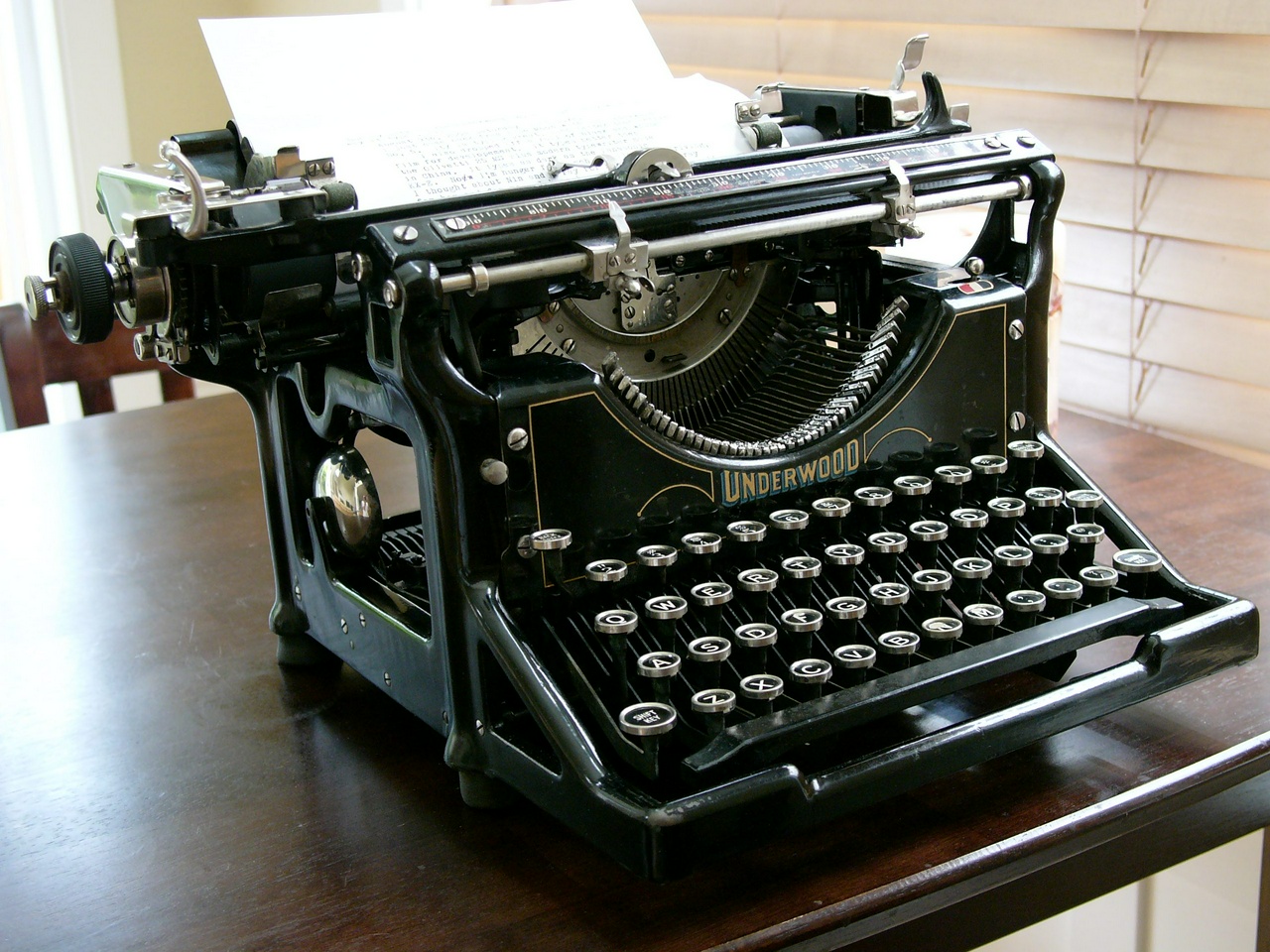
So, of all the things birth-year related, the one that I am likely to get is: a typewriter. A typewriter? Yes, I've been looking at getting into typewriters for a while now. I don't want to build some big collection of them. But one two, a manual and an electric, would be kind of cool to have in a nerdy historic way, in my opinion. And, in fact, I know that we had a couple of typewriters in the house when I was growing up. There is even one in my attic now I think: an old Underwood inherited from my grandparents that I used to write my first story ever (as bad as it was – lol).

So, I just don't know why people get into birth year collecting. Knowing what I know from doing a bit of research on all these items, it just seems like more of a nuisance than it rewards. The biggest problem is actually identifying objects that were specifically produced in the year that you want. And, even if you can find something, it might not be in good shape and need to be restored. Restoration can be extremely expensive if you pay an expert to do it. Or, it can be a real time-sink if you decide to undertake it yourself.

Maybe it's just better to get a modern reproduction instead.


Categories: #Collecting Tags: #fountainpens, #wristwatches, #watches, #stereo, #hifi, #typewriters License: Copyright Unattributed. Licensed under Creative Commons BY-NC-SA 4.0.

FediRing
◀️ Prev Home Next ▶️

Three Wingsung 601 Demonstrator fountain pens, with writing sample. Three Parker 51 Clones: Wingsung 601 Demonstrators. Photo by Unattributed, licensed under Creative Commons BY-NC-SA 4.0.

For those who have seen my posts on c/Fountain Pens, PixelFed, or elsewhere on the FediVerse will know that I have been nearly obsessed with finding a good set of Parker 51 clones. I've had several (from Jinhao and Junlai) that have been disappointing. While they had the look and filling mechanism that I wanted, many of them would fail in terms of writing well, or in drying out. What exacerbated these purchases was that they would all come up when searching for a “Hero 601” on Amazon, which is the pen I'd seen reviewed that was often praised.

(As an aside: I don't use AliExpress[1].)

This time around, I found the Wingsung 601. The Wingsung version has also been praised by many other reviewers, so when I found them on Amazon, with a limited quantity[2] still available, I jumped at the chance to get them. And I am extremely happy that I did.

What I like About the Wingsung 601 Demonstrators

First: Getting to see the filling system in action is just wonderful. I have demonstrator versions of both piston and vacuum filler style pens. And, I have seen pens like the Conid Bulk Filler in operation. But, none of them were as satisfying to watch as a Vacumatic. Watching the ink being sucked up the filler tube and spilling over into the barrel of the pen is just fun to watch. The only thing I wish was that the filler tube could be a bit longer. But, I'm certain there is a balance between the suction force and the length of the filler tube. Even so, the whole thing is just fun to watch.

Second: After filling these three pens with Diamine Oxford Blue, Writer's Blood and Jet Black I started writing with them for about two weeks. I rotated between them frequently, making certain to give them all their due chance to fail. For the most part they were consistently excellent writers. The took well to traveling in my bag, and were just solid performers.

Where I found them most useful was for writing in my Kokuyo B5 notebooks. Unlike the Apica A5 notebooks which have a 7mm rule, which I use for journaling, the B5 notebooks have 6mm ruling. This is actually more of an issue with pens with larger point sizes. My Asvine pens have a .7mm point, and while they write fine in the Kokuyo notebooks, the writing feels a lot more cramped than writing in a 7mm ruled notebook. The Wingsung pens, with their .5mm point made my writing in the B5 notebooks feel a lot more comfortable, less crowded, easier to read.

Third: After spending a couple of weeks with these pens and feeling quite satisfied with their performance I decided to do one more test: dry out. So, I topped off the pens with their respective inks, and put them into a pen stand for two weeks. I stored them nib down, so I could also see if there were any leaks into the pen caps.

The result? All three of them passed with perfect colors (pun intended). In fact, the writing sample in the image was the first thing I wrote with each pen after they had been sitting for two weeks. (Had they failed, I still would have posted that image.) The fact that they worked this nicely is a good indicator that the cap seal is good. And, they didn't leak any ink into the caps while sitting in the stand.

And, in the end that's what you want, isn't it? A pen that you can pick up when you need it and it will write.

What I Didn't like About the Wingsung 601 Demonstrators

I won't claim that these pens are perfect. However, I will say that for a $20 Parker 51 clone with the Vacumatic filler, I find these issues to be quite tiny. But, here they are…

First: Out of the box one needed a bit of adjustment. I don't know where it happened, but one of the pens had a hood and feed alignment issue. This took all of 5–10 seconds to fix, and just required my fingers to manipulate everything into place. But, once adjusted everything worked as I've described in the above section.

Second: I sometimes found it difficult to get the pen at the right angle for writing. This was a matter that with the transparent nib hood light would reflect off it in such a way that I thought it was at the correct angle, but the pen felt scratchy and off. I tried to compensate for this by posting the pen with the clip lined up with the nib, but even then I wasn't always able to get it just right.

Honestly, I think this second issue is likely more of an issue with my eyes. I have allergies that affect my eyes and nose, and it is likely the problem was due to my eyes not focusing quite right.

Conclusion

There is more to like about these pens than the things I listed above. Another thing to like is the size. A lot of people don't want a pen the size of a Montblanc Meisterstucke LeGrand, Pelikan Souveran M100 or an Asvine V800, and a pen this size might be perfect for them. Another advantage (at least for the non-demonstrator version) is for these pens to be quite stealthy. These look more like a Parker Jotter style pen, than they do a fountain pen, until you unsheathe it.

Of course, with the demonstrator version you get the fun of watching it suck up ink when you fill it, and see the ink sloshing around in the barrel once it's filled. And, you always know precisely how much ink is left in the pen, making it easy to know when to refill.

And, as a bonus, Wingsung includes the tools needed to remove the Vacumatic mechanism from the pen for maintenance. But, I don't foresee a need to remove the mechanism for quite some time.

Issues? Only two issues: one really minor adjustment needed, and the other is likely an issue due to my allergies. And I don't see either of these as reasons to not like these pens.


[1]: I know I could have found both the Wingsung and Hero versions of this pen there. But, I've been ripped off by sellers on AliExpress three times while shopping for keyboard parts, and one time while trying to purchase watches. So, I've sworn to never shop on that site ever again. [2]: There were, if I recall, ten or less of these pens available. Checking today, there are more of the demonstrators, but other versions of these pens have lower quantities available. Newer versions of these pens are also available, but they do not use the Vacumatic filling system, opting for a cartridge / converter system instead.


Categories: #FountainPens Tags: #pens, #parker, #clone, #wingsung, #chinese, #vacumatic, #demonstrator License: Copyright Unattributed. Licensed under Creative Commons BY-NC-SA 4.0.

FediRing
◀️ Prev Home Next ▶️

Manipulated image from a weather camera: it has been masked with a blue / purple filter and been adjusted for the detail level.

I've recently rediscovered something I had done a long time ago: modifying pictures from weather and traffic cameras.

Note: I am cautious about the cameras that I choose to use. They have to be cameras that are putting their photographs online, and specifically be in the public domain. Obviously, not all weather camera images are in the public domain. Privately owned cameras, especially the ones use for television broadcasts, are like nonpublic-domain. (Although, I have a doubt that any of them would really care about this as to them these photographs are ephemera with a rather limited usage.)

I go for the ones that I know are from government agencies, especially those owned by NOAA, precisely because the government does not own these images. They are, by definition in the public domain.

One of the easiest things to do with these photos is to use a gradient mask over them to come up with different effects. For example, here's an alternative version of the above photo:

Same as the first image, only masked with a green gradient, and darkened to make the light sources look more isolated.

It's obvious that these are the same photo, and yet the effect is quite different because of the details in the two them. The first one clearly shows some clouds along the horizon, and definite blooming coming from the lights. While this second photo makes everything look more isolated. None of the effects from the light bloom, you can't see the clouds along the horizon, and for that matter it's not even all that clear that the horizon is where the lights at the back are.

There's a ton of other things that can be done with these photographs that don't involve using gradients. Take this photo I used in a blog post the other day:

Lake Michigan from Michigan City East Lighthouse, 2026-07-03

What I did here was to crop the portion I wanted out of a larger photo, rebalanced the colors, adjusted the color temperature, adjust the contrast and brightness, and then added a vignette. None of the changes were too drastic on this photo. My objective was to highlight the ripples in the water (which was appropriate to a portion of the article that had a surfer analogy in it).

These are only a few simple examples of the kinds of things that can be done with public domain photos like these. I've done stuff where I've taken two photos from one camera from different times / conditions, adjusted them a bit, then overlaid them like a double exposure. It can look really cool.

I've also done things where I've hand created multiple masks to go over a photograph, using different colors and different brush textures to make the photograph have an almost alien look to it. And in still other cases, I've made collages from a set of photographs that I hand modified. This allows you to compose something that is new and fits a vision that you have.

So, what's the point to this?

I see a lot of people go to sites like Unsplash, Pexels, Pixabay, etc. to find images that they can use for various purposes. There is no problem with this, except that these places often intermingle nonpublic-domain photos in with the public domain photos in an attempt to sell them to you. And there is nothing wrong with that ether.

However, there are a few issues (and ones that I have run into before): some photographers will upload the same photograph to multiple sites, and in some cases the licenses may not be the same. And, in at least one case, I had an issue with a platform because I was using a very popular public domain photo. They had issues with it because it turned up in a reverse image search. (I still don't understand that one… It was clearly a public domain image, so they shouldn't have cared… But anyway…)

But, that experience did bring up another thought: don't you want to have something unique representing your work? Maybe you don't have the skill to create a work on your own, but I'm fairly certain you can learn how to do a bunch of image manipulation tricks in whatever software you choose to use. (I use The Gimp, which I know is not everyone's cup of tea, but I've been using it for years at this point.) Isn't a bit more satisfying to say that you did something for yourself? At least you can say it wasn't generated by AI.

In these times when the choices tend to be: public domain photos, stock photos, or AI generated images, I find this to be quite satisfying. The only thing better is if I can use photographs of my own in this process (which I've also done). Above all else, I can say: I did this myself — there was no AI involved. And that means a lot to me.

And here's a final image for good measure:

A city skyline, with purple, blue and gold masking used for highlights.


Categories: #Photography Tags: #publicdomain, #derrivative, #antiai, #trafficcams, #weathercams License: Copyright Unattributed. Licensed under Creative Commons BY-NC-SA 4.0.

FediRing
◀️ Prev Home Next ▶️

Casio Lineage LCW-M100TSE, Photo by Unattributed, License: Creative Commons BY-NC-SA 4.0 Casio Lineage LCW-M100TSE, Photo by Unattributed, License: Creative Commons BY-NC-SA 4.0

Introduction: The Casio Lineage LCW-M100TSE

The Casio Lineage watch line is in my top five daily wear watches. They represented one of the best values in watches imaginable at the price I paid: $180 USD. Today, unfortunately, due to changes in our import policies, they sell for around $250-$300 USD. That's still a reasonable price in my opinion given all the features this watch packs: titanium case and bracelet, solar-powered, dual time zones, up to five alarms, stopwatch, count-down timer, automatic DST/ST detection, and MultiBand 6. It's a lot of watch for the money, rivaled only by some of Casio's digital models.

One of the most amazing things about this watch is MultiBand 6, which automatically syncs the time to the radio broadcast Atomic Clock signals every day. But, even without the automatic synchronization it's accuracy is around ±15 seconds per month, that's under ±1 second per day. MultiBand 6 synchronization is set up by setting your home location in the watch. Once you've set up your home location, the watch will synchronize with the Atomic clock daily. This basically is the king of “grab-n-go” daily wear watches.

But, that doesn't mean it's perfect. The clasp is pressed steel. And the clasp only has two levels of adjustment, meaning that you'll likely have to remove links to resize the bracelet for your wrist. (Even with my 8.5 inch (ca. 22 cm) wrists I had to remove links.) Lume isn't spectacular, while it works, don't rely on it lasting more than a few minutes. The backlight, while bright, doesn't perform all that well. And water resistance is only 5 BAR (50 meters). The biggest problem, however, is availability. A quick scan of eBay shows only one of these watches available in North America, with a price tag of $290.

Enter the Twin

And there is one other thing: this may be a bit too fancy for some people to wear on a daily basis. Well, that's where the Lineage's sportier twin comes into the picture:

Casio Wave Ceptor WVA-M640B, Photo by Unattributed, License: Creative Commons BY-NC-SA 4.0 Casio Wave Ceptor WVA-M640B, Photo by Unattributed, License: Creative Commons BY-NC-SA 4.0

While it's not apparent just from looking at it, the Wave Ceptor uses the exact same module as the Lineage watch. This means all the features, such as solar-powered, dual time zones, up to five alarms, stopwatch, count-down timer, automatic DST/ST detection, and MultiBand 6 are the same as the Lineage. Where the differences come into play is on the exterior.

Instead of a titanium case and bracelet, the Wave Ceptor has a resin band. The case / bezel is stainless steel, and the crystal is a curved resin. The markers and hands are wider for easier visibility and to accommodate more lume. (Personally, I really like the markers on this watch better than the Lineage version.) They are also gold, which contrasts nicer with the black dial. The LCD on this version is in a negative configuration to make it blend with the rest of the watch face. This watch also features 10 BAR water resistance, making it more appropriate for an active lifestyle.

But, this watch hides a bit of a secret that makes it more interesting. Instead of a traditional resin strap, this one is integrated into the design of the case:

Lineage vs. Wave Ceptor, Photo by Unattributed, License: Creative Commons BY-NC-SA 4.0 Lineage vs. Wave Ceptor, Photo by Unattributed, License: Creative Commons BY-NC-SA 4.0

The way the band is integrated into the case design gives it one additional property: shock absorption. Similar to the way G-Shock watch bands are curved to act like a spring, so is the Wave Ceptor. While the documentation doesn't mention how much shock protection is offered, it's clear that this watch was meant to fall somewhere between the Pro Trek and G-Shock lines of watches. Alas, this means changing to an alternative watch band is probably a bit more complicated than most watches (but, admittedly, I haven't tried to change the band on my watch).

But, the really nice part about this watch is the price: $150 USD. Basically half of what a Lineage watch costs. Why the difference? My guess is it comes down to the titanium and sapphire crystal, and the fact that the Lineage watch had to be imported. The difference in price before the current tariffs had gone into effect would have only been about $50.

Which Would I Choose? What Should You Choose?

I appreciate what the Wave Ceptor brings to the table. It's a great design for a person living an active lifestyle, especially if you don't have a need for a more dress-style watch. However, the Lineage is my ride-or-die. The titanium and sapphire crystal fit me better. However, I would recommend the Wave Ceptor over the Lineage to most people. Why? Simply the price difference. I cannot in good faith recommend a watch that is nearly double the price just for titanium and a sapphire crystal. And, especially for people in the United States, there appear to be more Wave Ceptors on the market than Lineage. Most of the Lineage watches have to be imported, and that might incur even more duties.

However, there is a small twist to this story. As I was researching these watches I learned that a lot of the Wave Ceptors from around the time of the WVA-M640B are no longer in production. They were discontinued in 2019, making it likely you will either have to turn to the secondary market, or find a new old stock, if you are lucky.

The Lineage line appears to have been around for a very long time. Many of the models I looked at had been refreshed / updated in 2024. Be careful if you are considering an older model as there is a chance that it won't be able to sync with the Atomic clock in North America. Instead, you may need to use an iOS or Android App to get it to sync. In my opinion—that's a nonstarter. I have wristwatches precisely because I want to break the dependence between my devices. It's the reason I don't have an Apple Watch or a Galaxy Watch.

Final Thoughts

There are a lot of Wave Ceptor and Lineage watches on the secondary market. It pays to do some research to know what you are getting before you purchase. The smart way to start is by looking up the module number for the watch you are considering. The module is what determines what features are included in the watch. By knowing the module number, you can generally find the documentation for the watch online. The watches I have all have module 5161, that is one of the things that I look for when buying a Lineage watch.

Another thing you can do (although I haven't found this to be completely reliable) is try decoding the serial number of the watch you are looking at. (If you can get the serial number.) This can tell you exactly when the watch was manufactured, which will tell you things like what version of MultiBand it has, which can then be used to determine if it will sync with the Atomic clock in your region.


Categories: #Review Tags: #wristwatches, #lineage, #waveceptor, #casio, #titanium, #sapphier, #resin License: Copyright Unattributed. Licensed under Creative Commons BY-NC-SA 4.0.

FediRing
◀️ Prev Home Next ▶️

Photo by [Millenary Watches](https://unsplash.com/@millenarywatches) on [Unsplash](https://unsplash.com/photos/a-close-up-of-a-person-wearing-a-watch-WSKuvpbnN0E) Photo by Millenary Watches on Unsplash

In Rejecting the Luxury of Hobbies I talked about the “investor” types of people. The people that seem to feel that participating in a hobby based around collecting should not affect their bottom line. Well, here we are, just a couple of days later, and one of these “collectors” just showed up in my YouTube with his latest video: Affordable Watches Lose You Money. Here's Why.

It didn't take long for me to understand the premise he was going with. He starts off talking about a Citizen Tsuyosa, a Seiko 5 SRPD55, and a Hamilton Khaki Field Mechanical he purchased secondhand for approximately half of the price the original owners paid for them. He goes on to claim that losing money on resale of a watch is the “cost of ownership”. (Not really, it's something different, as I'll talk about in a minute.) And he states that it happens to all classes of watches, but it “hurts more” for “affordable” watches.

Why does this happen? He claims that it's because of branding. Most brands like Seiko, Citizen and Hamilton haven't built up the “awareness” of Rolex and Omega. Add to that the challenge to Seiko, Citizen, Hamilton, etc. from micro brands that offer better products at the same price points. But the micro brands have the same issue: brand recognition.

What are the solutions? Well, the first is to always by second hand and avoid the loss. The other is to only buy what you like, and will not want to sell.

Well no sh*t Sherlock.

But, he has fundamentally misrepresented the underpinnings of how markets actually work in capitalism. In the fair market there is the concept of depreciation (borrowed from Wikipedia):

In accountancy, depreciation is an actual reduction in the fair value of an asset, such as the decrease in value of factory equipment each year as it is used and wears.

For many things we purchase the depreciation occurs the moment the item is taken out of its box and any wrapping removed. Why? Because it is no longer a new item, it is now a used item. And, once an item is deemed as used it cannot be sold as a new item, and therefore must be sold on the secondary market.

This concept of depreciation happens with nearly all the “things” we purchase: cars, computers, cell phones, bicycles, and many other items. They are seen as assets, and assets have a value that decreases over time. (The rare exception to this being realty, in which there are other market forces at play which can affect the value of the asset.)

The secondary market is typically made up of several groups of people:

  • The main portion of the market is people who are deal hunters. They are looking to take advantage of the depreciation of the items that are being sold.
  • There is a smaller portion of the secondary market that are collectors. These are people that are more interested in the items on offer for their significance. These items hold significant personal, non-monetary value, that is completely separate from the financial operation of the market.
  • The final people are the investors. They are specifically focused on attaining items that have a perceived value that overrides its depreciation. This is where Rolex, Breguet, F. P. Journe, and other luxury brands fit into the market.

Looking at any item you want to collect as an investment is tremendously stupid. While it may be apparent that you can make money by investing in a Rolex, even that is at the whim of the secondary market. The specific reference you have “invested” in may fall out of favor with the market. There are no guarantees. Looking at any item that is “collectible” as an investment is no better than putting your money in the stock market. And, with the stock market, you have a better chance at getting a return on your investment if you work with an advisor.

So, the video is correct: buy what you like and will keep. Buy on the secondary market to get a deal. Or, buy the items that hold significant, non-monetary, value to you. But most importantly: don't look at purchasing any asset as an investment. And, all collectibles are assets that depreciate over time.

This is why I get annoyed with these “influencers”. Instead of explaining the facts of how markets and depreciation work we get a song and dance about “brand recognition”. That basic marketing junk that really doesn't mean anything to the market. The market is going to do what it does, regardless of the name on the dial. If there is no other lesson to be learned from the Wall Street Bets Subreddit, it is: markets are not rational, and cannot be relied on to act consistently or rationally.


Categories: #Collecting Tags: #watches, #markets, #depreciation, #value, #assets, #new, #used, #secondary, #market, #fair License: Copyright Unattributed. Licensed under Creative Commons BY-NC-SA 4.0.

FediRing
◀️ Prev Home Next ▶️

Photo by: [Ailbhe Flynn](https://unsplash.com/photos/person-taking-photo-using-canon-camera-in-shallow-focus-lens-jkZs3Oi9pq0) via [Unsplash](https://unsplash.com/) Photo by: Ailbhe Flynn via Unsplash

I was into photography many years ago (like over 40 years ago), and in all this time there have been several significant changes. The single biggest is the change from analog film based photography to digital photography. This one change has completely changed aspects of photography that cannot be understated.

For example, photographers today will never know the joys and horrors of working in a darkroom. Dealing with all the chemicals for developing film and prints. Having to heat up or cool down the developer, and having to be cautious with the timing involved in developing film or prints.

But, while switching to digital tools for “developing” and editing photographs will take some getting used to, that's not the part I want to focus on here. There is something more fundamental in the process of actually taking photographs that has changed. It's something I feel is overlooked if you have experience using film.

This is the ISO setting on the camera. It's easy to understand what this is in digital photography: you are defining / setting the light sensitivity of the sensor in the camera. It's a great feature that leaves the photographer with a lot of flexibility.

But, this quite different from old school film-based photography. Back in those days light sensitivity was defined by physical properties of the film being used. Typically, your camera was locked to the ISO of the film that you were shooting on. Yes, you could change the ISO setting, but then you were choosing to deliberately overexpose or underexpose your film.

There were exceptions in which this was desirable. But, you also had to remember that if you overexposed or underexposed the film you would likely need to adjust your development process to account for it.

Being able to adjust the ISO of the sensor has knock-on effects, since ISO sensitivity is inextricably linked to the range of shutter speeds and aperture settings the photography can select. And this can have other effects, like changing the depth of field.

Digital photography changes the rules in this way. You aren't locked into the physical properties of film anymore. You are, in fact, far more likely to change your ISO based on lighting conditions now than you were in the past. And this takes getting used to, and it changes the way you think about taking a photograph in fundamental ways.

This can make it more interesting in terms of being able to account for other things like aperture, shutter speed, and depth of field. Unlocking the ISO setting has fundamentally changed the way photographers think about the relationship between light and their camera.


Categories: #Features #Tags: #photography, #technology, #education, #learning

FediRing
◀️ Prev Home Next ▶️

Chimeri standard dress watch Chimeri standard dress watch (Photo by Unattributed, License CC BY-NC-SA)

“What are hobbies about?” is a question I started asking myself when I was watching YouTube videos about watches and fountain pens. The answer to that question showed that I have a fundamentally different view of hobbies than others. Worse, the things that I think of as hobbies aren't hobbies to a lot of people.

There are, at least three kinds of people that are interested in the areas that I consider to be hobbies. At least three kind of people that have a different type of interest than I have in the areas. I've been trying to come up with a way to define these people, and I think I have them down now.

Luxurians

The people I call “Luxurians” aren't interested in these hobbies because of genuine interest in the subject. They might learn about the subject, but that's a side effect of feeling that they need to feign interest to others.

Luxurians are the people that buy into these hobbies not from genuine interest. They buy into them because they have the money to blow. They are more interested in the brand, and the marketing over the quality of the product.

But, the top reason they buy into these hobbies is that they can spend a lot of money. The Luxurians are the “flexers” of the internet. They are buying symbols of their status, and couldn't really care about anything else.

The Investors

This is a peculiar breed of hobbyist, and they are infecting a lot of hobbies, from watches and fountain pens, to LEGO, Pokémon trading cards, and anything Disney.

The Investors are the people that study the resale markets. They are looking for something to “invest” in. Many times it doesn't matter what it is, they will chase the trends of whatever market is the “hottest”. They are collecting items they believe will appreciate in value, and thus bring them a payday when they sell the stuff they've horded.

The Chasers

This is an interesting intersection of the Luxurians and The Investors. They are the people that are just interested in whatever is the trendiest at the moment. If they can buy something that will appreciate in value that is the best for them.

Depending on the hobby this might be acquiring the latest and greatest item on the market, the item that the majority of people will not be able to get their hands on. Whether this is due to outrageously inflated prices, or because of genuine scarcity is inconsequential. However, as soon as the novelty of the item wears off, it will quickly be replaced with something else.

Why Do I Bring This Up?

There is, I feel, a massive level of distortion around hobbies in social media. That distortion comes from the types of people I listed above. There are a lot of them making content, and it's important to identify them in order to not kill your joy for your chosen hobbies.

Let me provide an example of how these types of people almost killed my joy for one of my hobbies: wristwatches.

Watching various “influencer” types, you encounter some extreme bias towards certain brands, like Rolex and Audemars Piguet, Tissot and several others. It was effective, I found myself wanting a Royal Oak, a PRX, and other high-end watches. (One I had my eyes on was over $100,000.)

And it was making me miserable. Then I realized some things about these “influencers”. They tended to have more involvement in the secondary market, and sometimes in the primary market for watches than they tended to disclose.

For example, one of them had an online shop for watches, and managed to turn that into their own boutique. Another one was a dealer who only presented watches he carried in his store. Several influencers started their own watch brands. And, even ones that didn't have a direct conflict would occasionally mention they had sold, or had listed watches for sale they had recently done videos on.

And there were two more things I noticed: (1) All of these types of people would dismiss the majority of watches that were quartz, solar, etc. (with the exception being Casio watches—but typically only specific models). (2) they had a focus on Swiss mechanical watches, and frequently dismissed watches from other regions.

Their reasoning? Well, they wanted to present watches that had “real” heritage. Watches that would mean “mean” something in the years to come. Yada-yada-yada.

In other words: they were full of Public Relations and Marketing terminology. That's when it clicked, I wasn't being informed by reputable and knowledgeable people. These were people that were using their knowledge to shape a narrative to promote a product, or influence a market.

So What Do You Do About It?

The answer to this comes in two fairly simple parts:

  • Learn to identify people that have some type of self-interest in the hobby. Sometimes this is difficult, but sometimes they are transparent about it. Basically, be skeptical of anyone in a hobby until they prove themselves.
  • Always remember the reasons you became interested in a hobby. Stick to your guns, and dismiss influencers that don't share your values or interests.

For example, I tend to stay away from most of the wristwatch “influencers” these days. There is one that I will still watch because his values are pretty transparent:

  1. He purchases most of the watches himself.
  2. He resells a lot of watches he reviews. (He's very up front about this.)
  3. When he receives units for review, he often doesn't just say they provided it, he frequently summarizes the communication he had with the company (a few times he's even shown the email exchanges he had with the company).
  4. He doesn't have a bias towards certain brands or regions. He's open to watches at all price brackets, and all regions.
  5. He doesn't have a bias towards specific movements.
  6. Expensive watches are frequently borrowed from a friend.
  7. He independently tests the claims of various companies. (He's acquired his own equipment and shows his tests.)

So, how does he make money doing this? He understands the game. He has multiple income sources: advertising, channel memberships, Patreon, and a community app that offers a subscription level, and occasional “sponsored” reviews (those are typically the watches sent to him for review, which he is allowed to resell).

And the big thing I've learned from him: don't always take his comments as gospel. In one case, he couldn't recommend a watch because it didn't sit well on his wrist, even after resizing the bracelet. But, here's the thing: his wrist is 2.5 inches smaller in diameter than mine. The same watch fits me well with some adjustment. His other issues were minor aesthetic things that he didn't like, I didn't have an issue with those points. So, a watch that he couldn't recommend is one of my most frequently worn watches, and it brings me joy to wear it. (And no, it's not the one in the photo, but I enjoy that one too.)

And that's the bottom line: learn and remember the things that you enjoy. Don't let influencers drive you away from your values. Don't let them steal your joy.

If you enjoyed this article you might want to check out the follow-up: The Luxury Investor.


Categories: #Watches Tags: #collecting, #hobbies, #investors, #luxurians, #chasers License: Copyright Unattributed. Licensed under Creative Commons BY-NC-SA 4.0.

FediRing
◀️ Prev Home Next ▶️

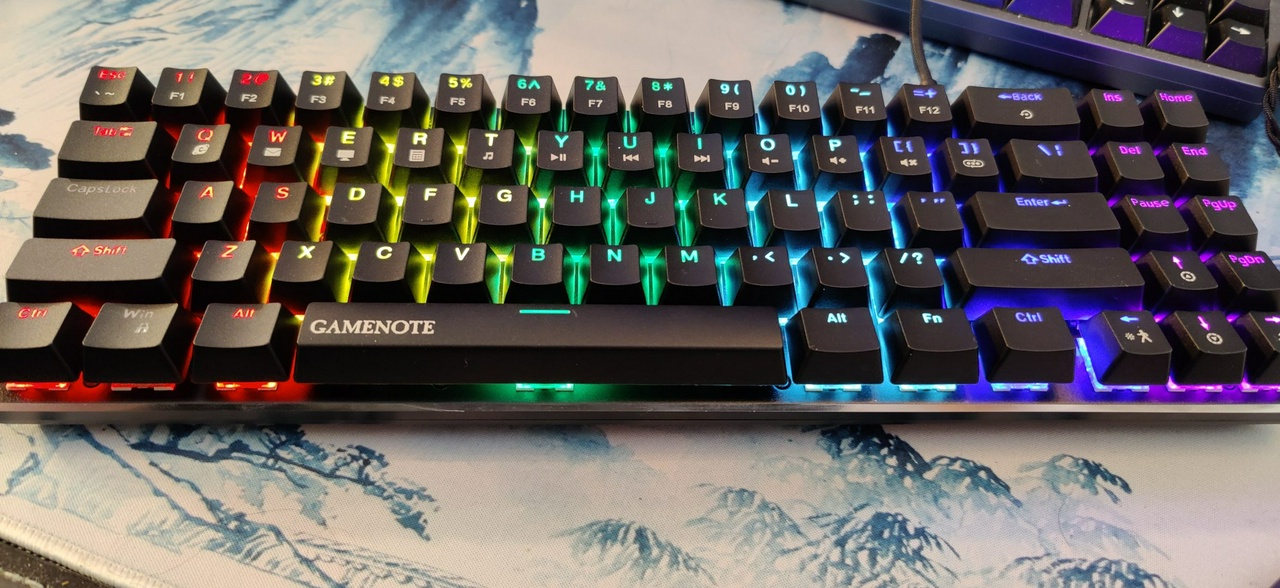
The amazing GAMENOTE keyboard, in all its gamery goriness.The amazing GAMENOTE keyboard, in all its gamery goriness.

Introduction

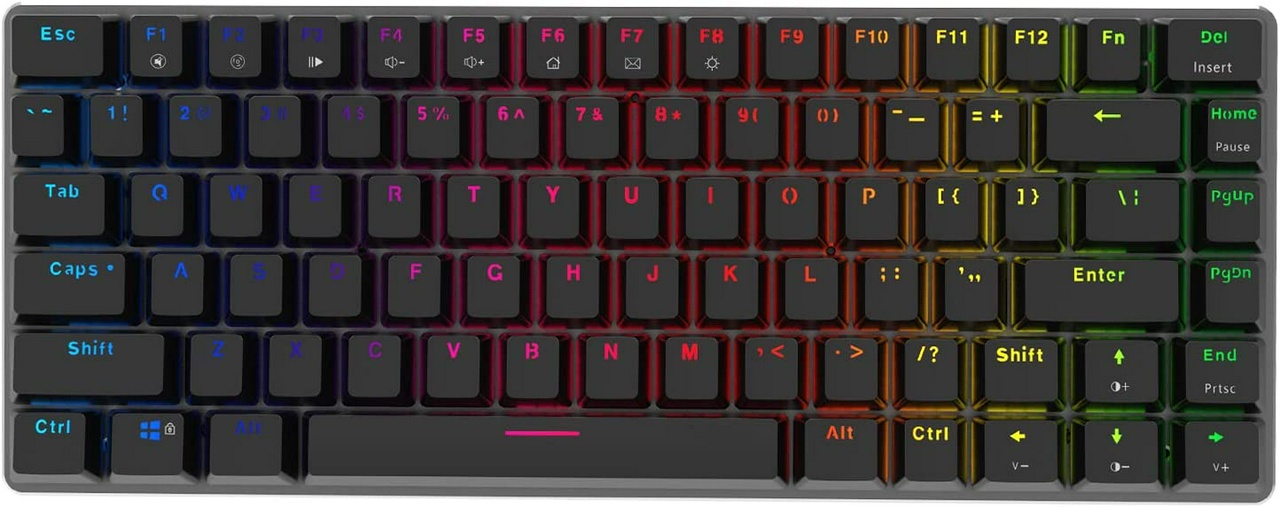
So, if you were to ask me why I got into mechanical keyboards, the picture above would be the explanation. This is the Havit “GAMENOTE” keyboard (aka the KB512L). This keyboard is responsible for me spending a little over a year in a mechanical keyboard rabbit hole.

Now, let's be clear: this was not a good keyboard. It had a hollow sound to it. The stabilizers rattled. The keycaps were thin and felt horrible. The RGB was junk. The switches were some off-brand clicky blue switches that pinged and didn't feel all that good to type on. There was no wireless connectivity.

I wrote extensively about this keyboard here: 71-Keys Review: Havit KB512L.

And yet, I could find some good in it. The first thing was: it was cheap: $25-30 USD. Another thing: it had a removable cable. And, above everything else was that layout.

That layout is what drew me in. The moment I was able to reach the Del key without moving my hands from the home row position, I was sold. The fact was, by compacting the TKL layout in this manner, they had come up with a dream layout for touch typists who'd learned to type on a typewriter and were taught to not move our hands, only our fingers.

The Next Keyboard

But there were serious issues with the keyboard, including one issue that wasn't easy to solve: the switches. I managed to take the keyboard apart and fix several issues: I shimmed and lubricated the stabilizers, I added foam to dampen the sound, and I replaced the keycaps with a nice set of PBT caps.

All of this fixed most of my problems with the keyboard. I wasn't concerned with wireless connections. I set the RGB to a solid color or turned it off completely. But, there was the one big issue: the switches.

I could have really put some more effort into it: desoldered the old switches, installed sockets and new stabilizers, and then new switches. But, honestly, that would have been many hours of work and I really hadn't done any soldering for over 20 years. This was a skill set that I wasn't interested in relearning.

So, I started looking at other keyboards. And, I tried a few… A Leopold TKL that was styled like an IBM Model M keyboard, and a Durgod TKL keyboard that was highly recommended. And both of them were much better keyboards, but they suffered from the same issue: the switches. I just didn't care for them, and I didn't want to desolder them to install sockets and new switches.

Then I found a keyboard that changed things for me: a CIY TKL keyboard:

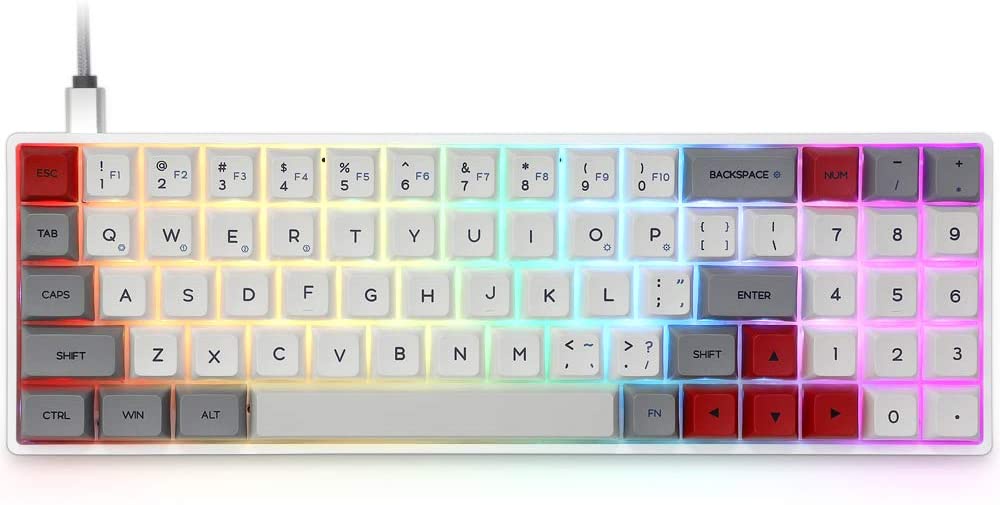
The CIY TKL Keyboard with custom keycaps installed. (Photo: Unattributed, License: CC BY-NC-SA 4.0)The CIY TKL Keyboard with custom keycaps installed. (Photo: Unattributed, License: CC BY-NC-SA 4.0)

True to its name (CIY means “Customize It Yourself”) it had features that made it worthwhile to work on, and was only $45 USD. The big differences? The upper cover was magnetic and just popped of, and the switches were hot swappable. It still wasn't wireless, and the RGB was junk, but neither of those features were of interest to me.

I spent some time with this keyboard. I modded it pretty heavily: adding foam, taping the bottom of the PCB, upgrading the stabilizers, and replacing the switches and keycaps. And it was a decent little keyboard overall. But, it didn't scratch that one itch the GAMENOTE had started: I wanted that compacter layout.

Then it happened… I found a keyboard that was nearly perfect for me.

The Feker 71 Key

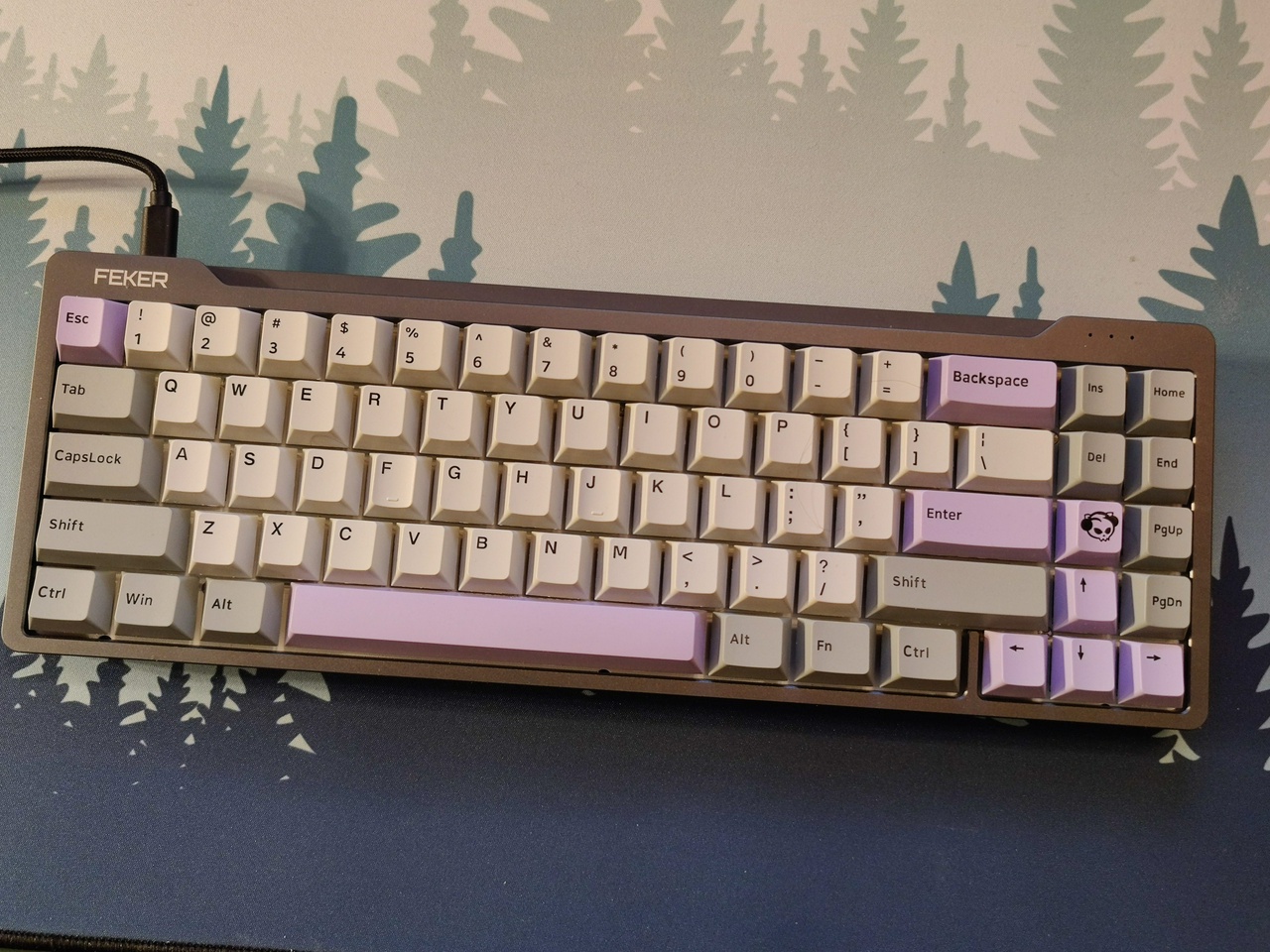
The Feker Dopokey Keyboard with custom keycaps (Photo: Unattributed, License: CC BY-NC-SA 4.0)The Feker Dopokey Keyboard with custom keycaps (Photo: Unattributed, License: CC BY-NC-SA 4.0)

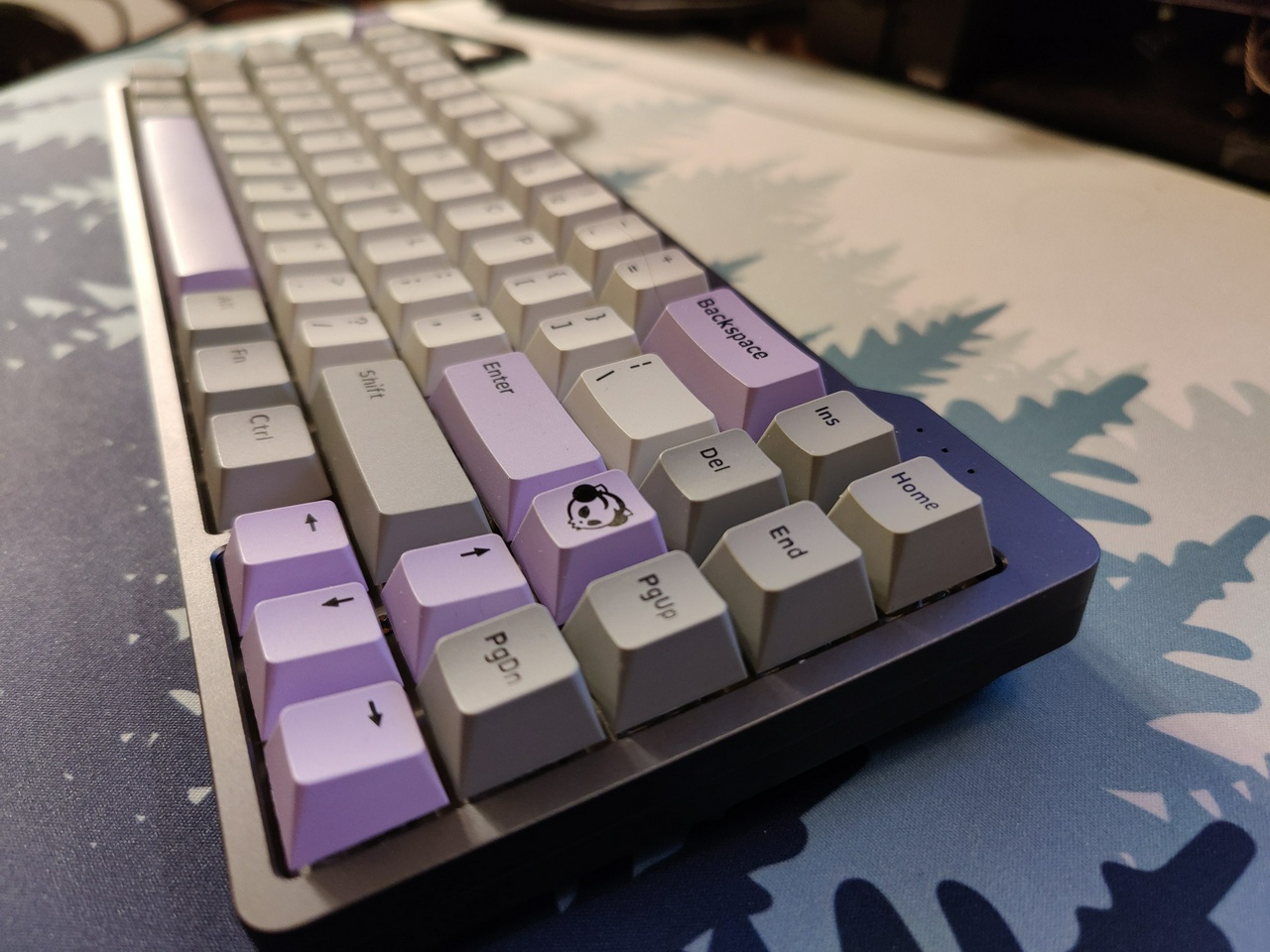
So, let's be clear. There were definitely shortcomings to this keyboard. As widely reported the case had pretty loud ping. The mounting system was pretty standard posts, so there was no give to the keyboard. The plate was steel, so it felt pretty hard. Some people also reported having problems with the stabilizers being sticky. Mine weren't sticky, but they were a bit stiff, which I was able to remedy with a little lubricant. Finally, the software was buggy at best – it worked for setting the RGB, but didn't work for key mapping or macros.

But, here's the thing: for me ninety-five percent of the feel of a keyboard is in the keycaps and switches. I don't worry about the plate or the mounting as much. And, I did, with a set of Kaihl Box Jade switches, and the Akko keycaps as pictured I found this keyboard to be extremely usable. It quickly became my favorite keyboard.

Others who have modified this keyboard have thought that it wasn't worth it. Given what they were trying to do with it (i.e., trying to change the feel of the keyboard by modifying the mounting system), I would tend to agree. However, if all you want to do is deaden the sound, fix the ping, and either tune or replace the stabilizers, I would disagree with that assessment. And that was the camp I was in.

However, there is one issue all the modders mention that I encountered as well, and I haven't worked on: the case screws. For some reason the screws Feker used were made from really soft metal which makes it difficult to remove them without stripping the head or the screw itself. One day I will get around to working on them, and I will find replacement screws so they aren't a problem in the future.

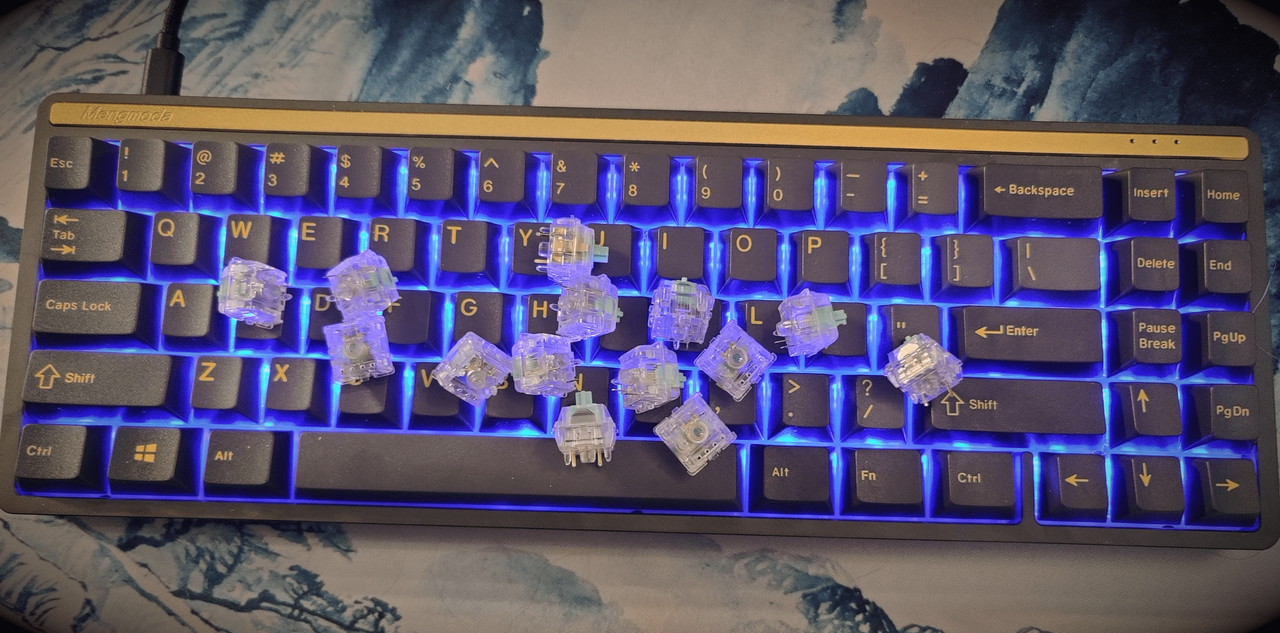
But, even without fixing the pinging, and deadening the sound of the case, I still liked the keyboard. So much that I used it for over a year. And, in fact, I now have a small collection of these keyboards. There were several variants of this model. Including one labeled as a “Mengmoda” keyboard with brass accents, and a frosted acrylic version of this keyboard.

But after a year or so, I set this keyboard aside. Why? And what am I using now?

The Kisnt KN85

Kisnt KN85 with custom keycaps (Photo by Unattributed, License CC BY-NC-SA 4.0)Kisnt KN85 with custom keycaps (Photo by Unattributed, License CC BY-NC-SA 4.0)

After a while there was one thing that I found lacking in the Feker 71-Key keyboard: a dedicated row of function keys. Now most of the time this isn't a big deal. My focus on typing documents (stories, essays, emails, etc.) didn't require the use of function keys.

However, as I got more into certain games (ahem Minecraft) I started missing those keys. Also, it always seemed better to me to have media controls on the function keys. In fact, I started scanning the different sites occasionally to see if anyone had produced a keyboard with the layout of the Feker, but added the function keys back in.

So, when I saw the Kisnt keyboard pop up on Amazon, and it was under $50 I didn't even think it was a risk. I couldn't look at a $50 keyboard that so closely matched my desired layout and think that I couldn't make it into something decent (assuming the screws weren't made from really soft metal).

When it came in, I was in for a bit of a surprise: Kisnt had done an excellent job producing an entry level enthusiast keyboard. The chassis is solid and doesn't flex. The keycaps had a really nice feel. The switches were a light-medium weight, pre-lubed tactile switch. And, they had filled the keyboard with sound deadening foam, giving the whole thing a nice pop sound profile.

And it's a dual mode keyboard: wired and wireless. The wireless part uses a 2.4Ghz USB dongle, which can be stored in the bottom of the keyboard when not in use. And, much to the delight of the modding community: south facing LED's.

Within a few minutes of testing it, I had to know: how would it sound and feel with my Kaihl Box Jade switches, and my favorite White-on-Black keycaps? Well, the result is what is picture above. And, I have to say, it was still a great keyboard, even if the sound profile changed a bit (but I expected that).

There are only two things I don't like about this keyboard: (1) the extra gap between the main part of the keyboard, and the navigation cluster, and (2) the placement of the Home and Del keys, which I would swap. (Unfortunately their software only supports Windows and Mac, so my Linux system is out of luck, unless it will work under Wine.)

But, I decided that I liked this keyboard so much that I bought a second one. The second one is the black version. It now how my Kaihl Box Jade switches, and White-on-Black keycaps. The one from the picture above has the gray / blue keycaps with a set of customized Akko Sponge switches (I lubed them and installed 3 stage springs, the same weight as the Box Jade switches) which I use for gaming.

Conclusion

So there you have it. This is where I am at now. While I made it sound like this was a straight progression from Havit→CiY→Feker→Kisnt it wasn't. I've tried lots of other keyboards along the way, many of which were as bad, and in some cases worse, than the Havit keyboard. And some of them were technically better, but didn't quite work out… But those are stories for other articles.

I mentioned in About Ennui Vagaries that I had abandoned keyboards, or at least No Thoccs Aloud because other reviewers / outlets were working on the same ideas that I had, and they had more resources. And while that is true, there is another aspect to this.

I think I have a different set of values than many people engaging in hobbies. I don't believe in “grail” items. I don't believe in spending unnecessarily to get what I want. I don't believe in form over function. And I most certainly don't see something like a keyboard as a luxury item.

Given that today you can spend $20 and get a keyboard that will work reliably, any additional money that you spend has to bring significant improvement to you in some measurable manner. For me taking a $50 keyboard, tossing $25 worth of switches, and $25 dollar keycaps into it is a worthwhile expense only because it is significantly better than a $20 no name keyboard. The aesthetics are something that come from just making good choices along the way.

And, that's where I am now with my keyboards. No Thoccs Aloud is dead, long live No Thoccs Aloud via Ennui Vagaries.

FediRing
◀️ Prev Home Next ▶️

 Recreation of a Conklin Crescent Filler fountain pen. (Photo by Unattributed, Licensed CC BY-NC-SA 4.0)
Recreation of a Conklin Crescent Filler fountain pen. (Photo by Unattributed, Licensed CC BY-NC-SA 4.0)

Introduction

I don't recall any point in time where I had any interest in fountain pens. I was born well after the time of the fountain pen, and there weren't any relatives in my family that had any special attachments to fountain pens. Then, there are some questions to answer:

  • What drove my initial interest?
  • How long have I been interested in them?
  • Do I have some objective in collecting fountain pens?
  • And of course: why fountain pens? Why not other writing tools?

Answers to these questions await, along with a few extra tidbits here and there along the way.

Why Fountain Pens

The idea came to me last fall. I was looking for something to do during the coming winter, didn't rely on a computer or cellphone. And, it was on my mind that as I age, it's necessary to do things that will help with hand/eye coordination, and manual dexterity.

Fountain pens was a natural fit. I'd always liked looking at really nice calligraphy. But I knew I would drop it if I tried to force myself to learn calligraphy. However, I did see where improving my penmanship could be beneficial.

What I didn't expect was that I would find a solution to a different concern I'd had. What problem was that?

The Journal

I've tried to keep a journal on my computer for years, and failed miserably. When I am sitting at the computer I have a tendency to write what ever is on my mind as quickly as I can. (Even this post has gone through severe edits: I just cut four paragraphs from an earlier session.)

But soon, I found that my mind seemed to be working differently when I was holding a pen and looking at a piece of paper. There is something that is much more intentional when writing in ink. You have to have intent in the words that you put on the page, there's no backspace key for a pen. There's no cut-n-paste for moving things around on the page.

This meant that what I wrote had to have intentionality. And, to gain that intentionality I had to focus and use my mind differently. It was almost like finding a zen place where my focus guided the pen, and what flowed out was more meaningful to me since it couldn't be edited easily. (Yes, you can scratch out things, or write in the margins, etc., but this is very limited compared to the edits you can do in a word processor.)

This has made the fountain pen “hobby” one of the best things that I have undertaken in over a decade. It has brought me a better connection with my writing, and that connection is allowing me to write in a way that I haven't in a long time.

(Another theory I have is that over the years the changes that have been made to software have actually made it worse for writers. I know, for example, that I started to dread writing in WordPress ever since they introduced the Gutenberg block editor.)

Collecting Goals

I didn't set out to start collecting fountain pens. That came as a result of the re-found connection with my writing. This led to me doing a little research into writers that use (or used) fountain pens. As it turns out there are quite a few people that were or are known to use fountain pens:

  • Mark Twain
  • Ernest Hemingway
  • James Joyce
  • Stephen King
  • Salmon Rushdie
  • Neil Gaiman

And, the thing that really clicked, and made me laugh my bum off was finding out about the letter Samuel Clemens sent to Roy Conklin, the founder of the Conklin Pen Company. In the letter Clemens extolled the virtues of the Conklin Crescent Filler (picture at the top of this article) as a “profanity saver” as it wouldn't roll off his desk. This communication led to Clemens endorsing the product and appearing in print advertisements until his death in 1910.

But the more interesting part was non-authors I found that use or collect fountain pens:

  • Neil deGrasse Tyson
  • Alexandria Ocasio-Cortez
  • Albert Einstein
  • Rick Wakeman

This isn't even an exhaustive list, I've seen lists of 50 or more people. However, many of them were somewhat obscurer to me.

The one that really sealed it for me was finding out that Rick Wakeman (former keyboardist for Yes, and prolific recording artist in his own right) has been collecting vintage fountain pens since the 1970s. This was an activity that he undertook while on tour with the band.

This is where my pen collecting hobby came from. I decided to build a collection of pens that represent people that have some significance. The objective is to collect pens that are period correct representations of the instruments that would have been used by a person who meets my criteria for notability.

My current list has about 15 people on it, of which I've only acquired 4 pens. I have no illusion, I might not be able to acquire fountain pens representing everyone in the current list. And, I might add more people eventually (my current thought is that a collection of approximately 20 pens would be ideal).

Current Focus / Obsession

Currently, I have been fascinated with Parker 51 fountain pens. Especially ones that used the Vacumatic filling system.

 Parker 51 clone that incorporates the Vacumatic filling system. (Photo by Unattributed, License: CC BY-NC-SA 4.0)
Parker 51 clone that incorporates the Vacumatic filling system. (Photo by Unattributed, License: CC BY-NC-SA 4.0)

I have on my list at least one author that was known to use a Parker 51 fountain pen, so eventually I will try to find a period correct pen. But for now, these clones will suffice for my personal usage.

Conclusion

So, the story started pretty simply: I wanted a winter hobby that would help maintain my hand/eye coordination and manual dexterity. But it quickly turned into something else as I realized it was different writing with a pen and paper again.

Then, doing a bit of reading about people who have used and / or collected fountain pens has inspired me to start building a small collection of my own. In the meantime, I am using pens that are clones of classic pens, or new pens that are modern reinterpretations of this over one hundred-year-old technology.

The benefits using fountain pens surprised me. It's literally changed how I approach my writing. (This essay is not an example, as I wrote it completely here at my computer.) It has given me a renewed focus, and is helping me to improve the ideas that I am committing to the page.


Categories: #Hobby, #Collecting Tags: #fountain-pens, #writing, #history, #authors, #collectors

FediRing
◀️ Prev Home Next ▶️

Originally Published: 2022-06-01

Introduction

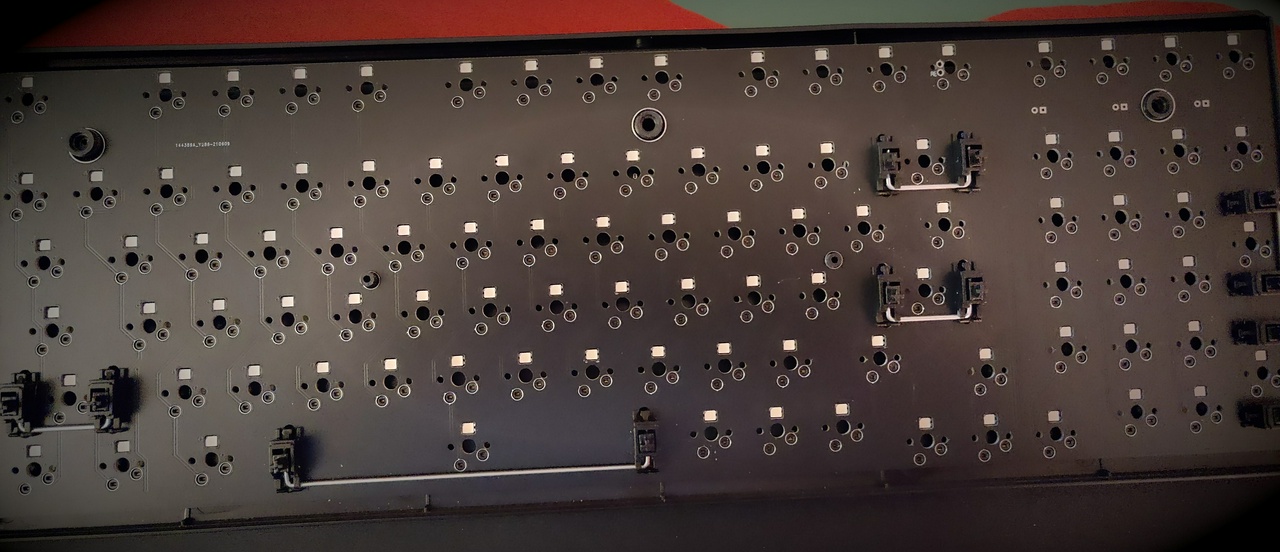
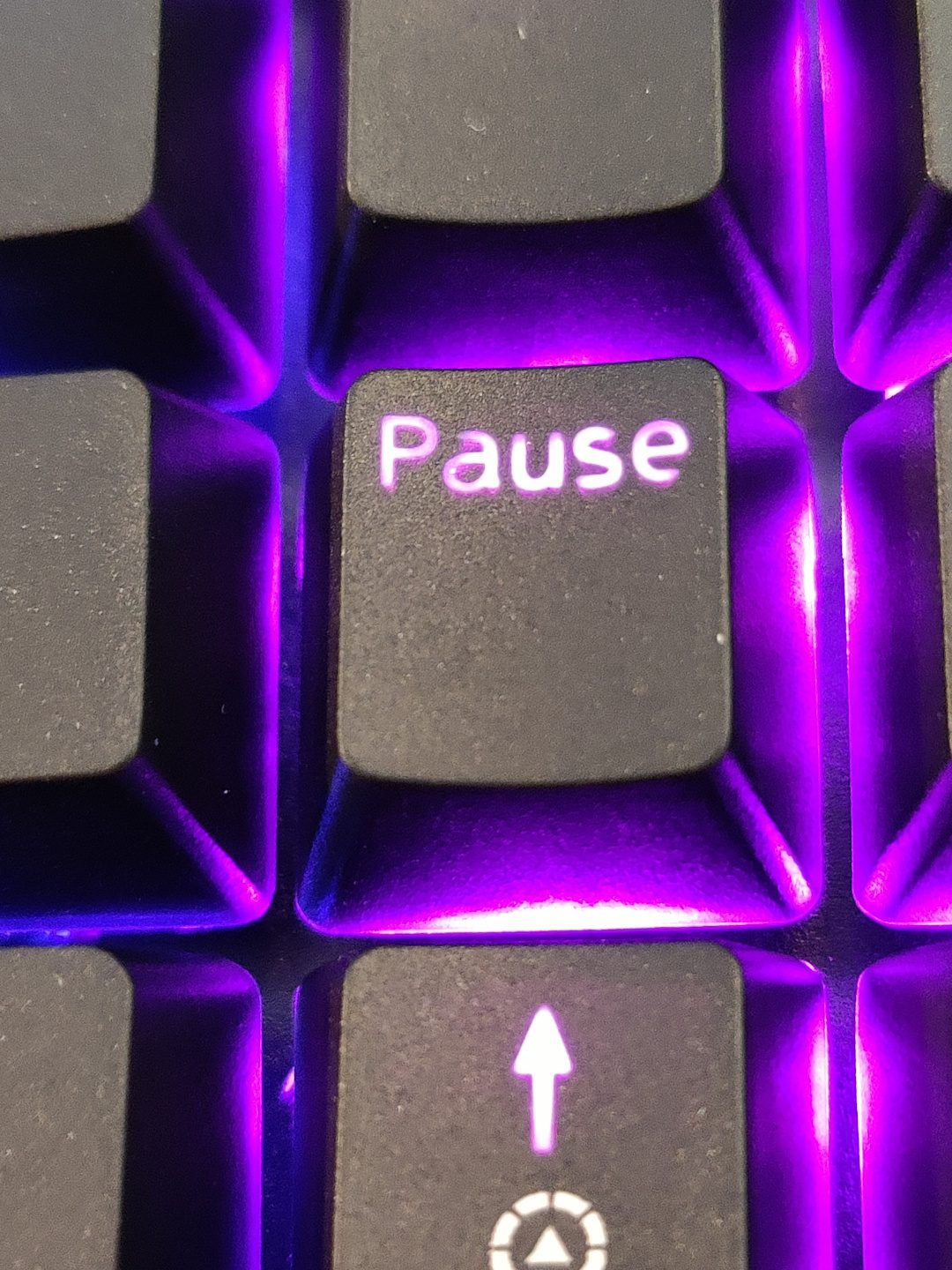
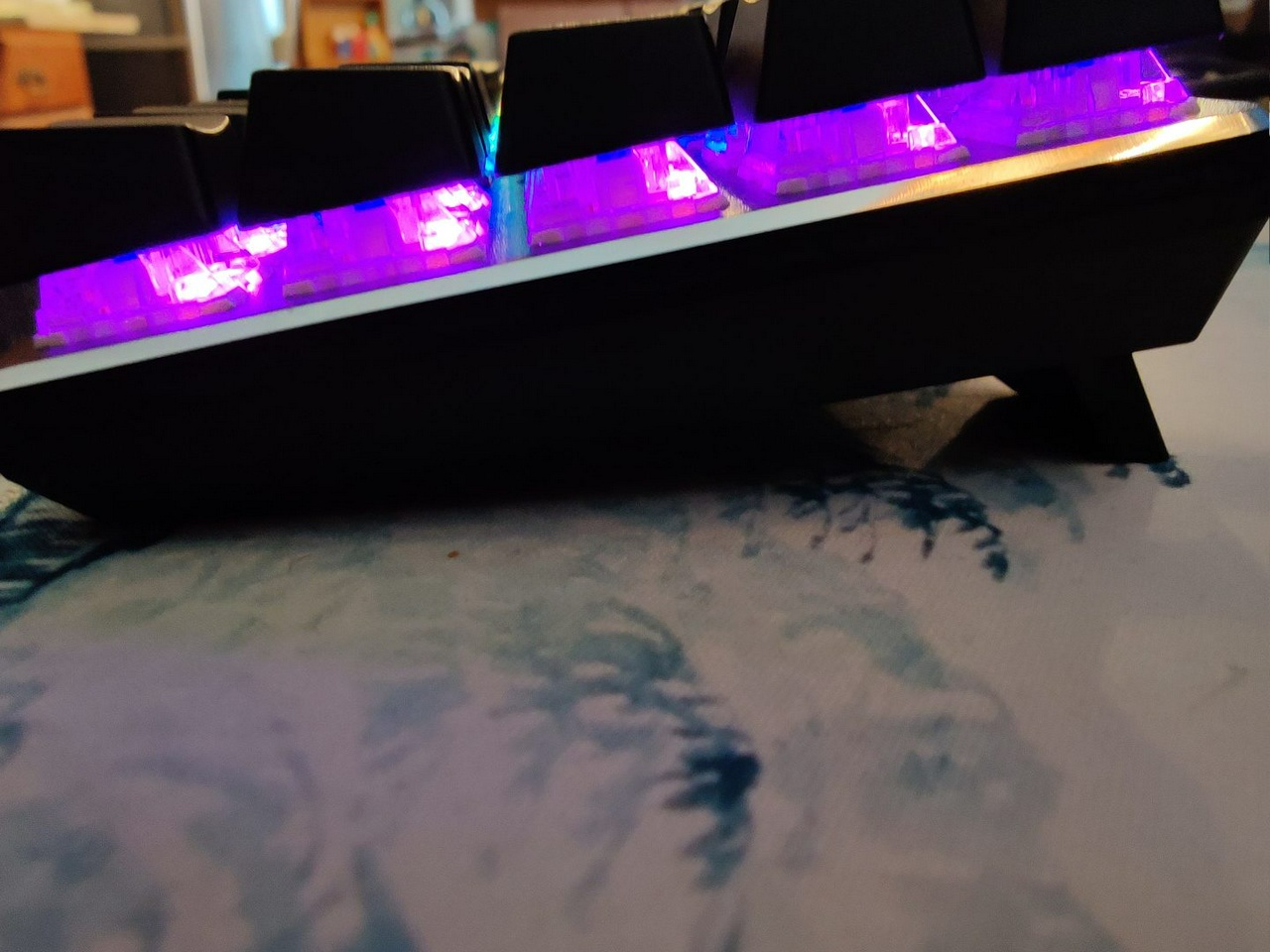
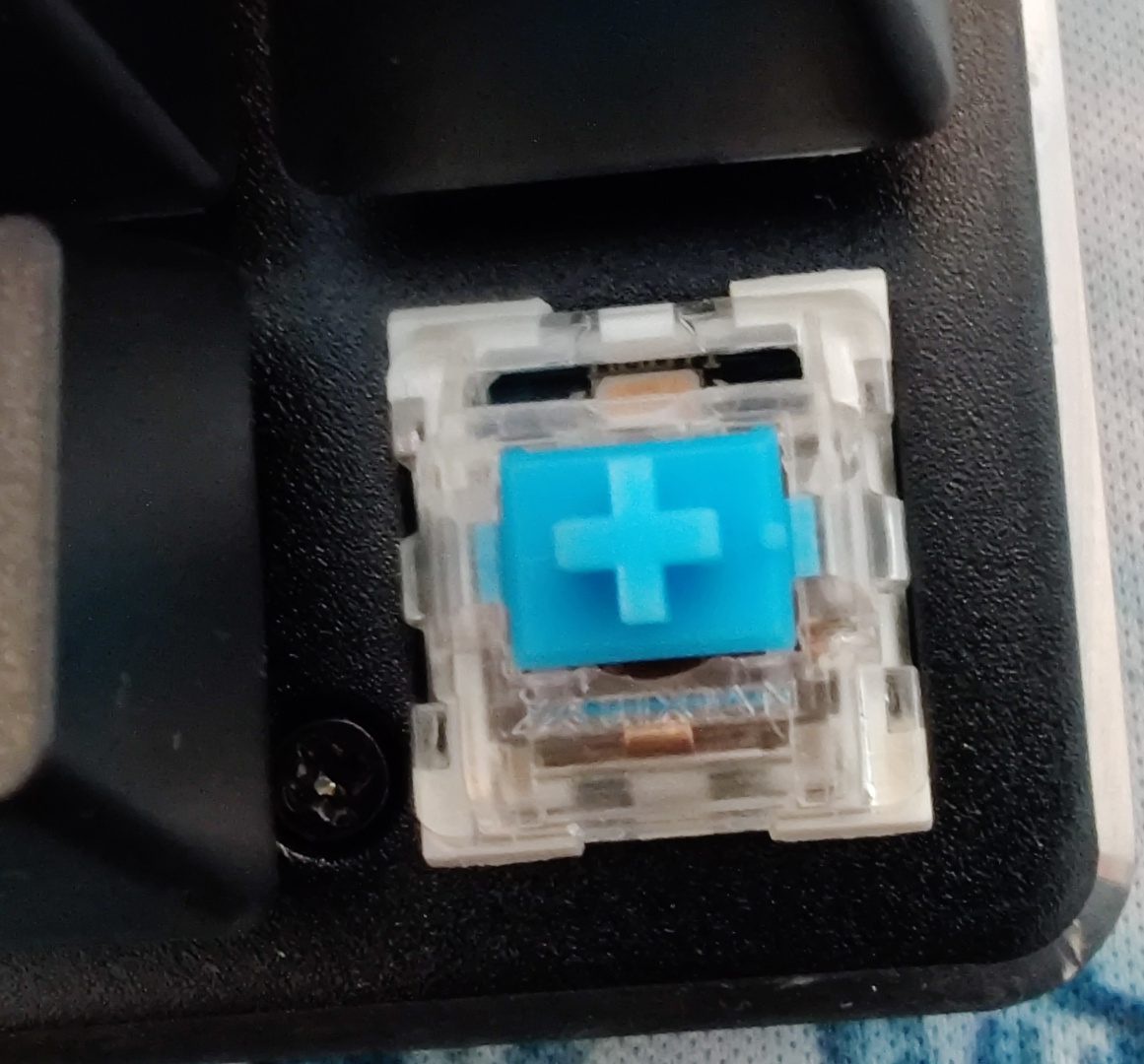
There are a lot of “influencers” in the keyboard community that complain any chance they get about keyboards that have the LEDs installed in the north side of the switch socket (see the little white squares in the cover photo). One literally titled his review of one keyboard “This board is almost perfect, EXCEPT” with the text in the thumbnail image reading “$60, but a fatal flaw.” That “fatal flaw”? North oriented LEDs.

Another recently whinged in a video “[...] I wear the North Face, I don't want this in my keyboards... What the hell. I still have to build this?”

[Author's Note: I am not calling out these creators. I am just using their statements as illustrations of the kind of non-useful comments that are reinforcing what I believe is a bad take. I am not trying to start a war with anyone, hence I am not naming the creators, or providing links to their videos. I honestly have nothing against them, and I generally like and watch their content.]

Well, I am here to say that demanding south oriented LEDs is wrong. In fact that demand ignores the real issue, and, there is literally a zero chance that manufacturers are going to switch to south oriented LEDs as it would be bad for them. And if all of that weren't enough, there are things that the custom keyboard community should be focusing on that would be much more beneficial to all keyboard users (not just the enthusiasts).

Understanding The Market

The first step to understanding why north oriented LEDs aren't the issue, and why they will never go away is to understand the mechanical keyboard market. Not just the enthusiast / hobbyist market, but the whole market. In order to do this, it's necessary to take a step back, and look at the overall business of keyboards, or in this case, of mechanical keyboards. When I started getting more interested in mechanical keyboards, I started asking myself a question: is there a “mechanical keyboard market”? That might seem like a strange question, but if you look at sites like Newegg or Amazon, while they do have mechanical keyboard sections, they often overlap it with either “peripherals” or “gaming” categories.

A quick search turned up literally dozens of market research and forecast documents. Instead of referencing all the documents here, I'll include a list of a few of the interesting documents at the bottom of this article. There are a few key takeaways from these documents that are worth noting:

  • Current market size is ~$1BN USD.
  • The market forecast is that it could grow as large as $3.6BN USD within the next 8–10 years.
  • Linear switches offer the most “opportunity”.
  • The market segments are Gaming, Productivity / Business and Industrial.
  • Most cited companies are: Logitech, Steel Series, HyperX, Razer Inc., Corsair, Lenovo, HP, ROCCAT GmBH, Rapoo Corporation, A4TECH, Cherry and several others.

This should be a somewhat sobering set of facts for most of the influencers and enthusiasts. Note that the key market segments are Gaming and Productivity / Business. There wasn't one of these documents that I looked at that mentioned an “enthusiast” market segment. This means that enthusiasts are basically a statistical anomaly in the $1-3.6BN overall market.

The companies that came up consistently were really in two markets: PC computer manufacturing / OEMs (HP, Lenovo), or peripheral companies (Steel Series, HyperX). The only company that is primarily concerned with keyboards that came up in a few reports was Cherry, and one report mentioned Das Keyboard.. Not even companies like Leopold, Durgod, Unicomp, etc. were mentioned. And the Chinese companies like Royal Kludge, havit, Velocifire, E-Yooso, Redragoon, etc. weren't mentioned. [Author's Note: I seem to recall one report mentioning one or two of the Chinese companies, but I can't remember which report or which companies.]

The last two things I'd make clearer: Gaming was the single largest market segment in all the reports I looked at. And several of the reports pointed to linear switches as the big opportunity. I think these two points go hand-in-hand. Gamers seem to most frequently like using linear switches. The rest of the market likes tactile and clicky switches. There is more opportunity in linear switches because it is most attractive to the largest segment of the market.

How Does This Relate to RGB / LEDs?

I think it's safe to say from the market research reports that gaming is the largest market for mechanical keyboards, and it is driving the industry now. But why does that mean north oriented LEDs won't be going away? Well, I think it's pretty easy to understand why if you look at Amazon or Newegg's keyboard listings.

The gaming market loves RGB. Just look at the videos on Linus Tech Tips, Gamer's Nexus, or Hardware Unboxed to get an idea of how much RGB there is. And, if that wasn't enough, just go and look at the listings for pre-built gaming systems: unicorn rainbow puke everywhere! Mechanical keyboards aren't immune to this, especially with the gaming market being the predominant market.

If a keyboard is going to be attractive to the gaming market it has to have RGB, and it has to be very visible. And I mean very, very visible with shine through keycaps. On Amazon on the first page of the results (sorted by most popular), I count twelve keyboards with shine through keycaps. On Newegg (sorted by best-selling) it's even more: seventeen keyboards with shine through keycaps.

And this is where things start to come together. Most of the keycaps these boards are Cherry, DSA or OEM profile. And they have their legends on the upper left side of the keycap, or sometimes centered along the top edge of the keycap. And that is why north oriented LEDs are not going away. The shine through quality would not be the same if the LEDs were moved to the bottom site of the key switch mount. Doing this would mean that the light would not shine through the keycaps as evenly, and therefore the product would be less appealing to gamers.

And, you have to be honest: the gaming market is driving what companies are producing. The gaming market is where the money is. Any company that produced a product with inferior lighting effects on their keyboard for the gaming market would be committing suicide.

Bu-bu-but...

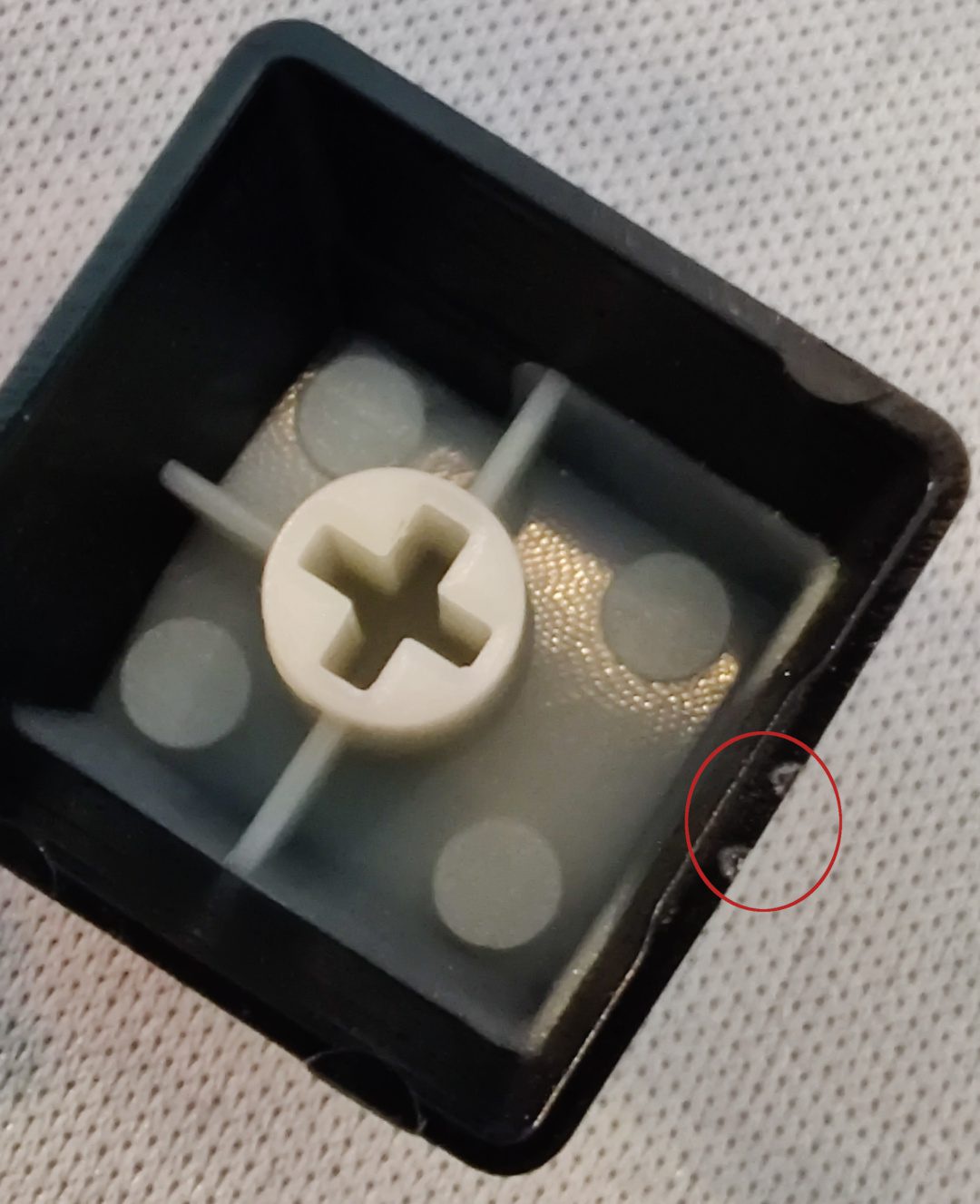
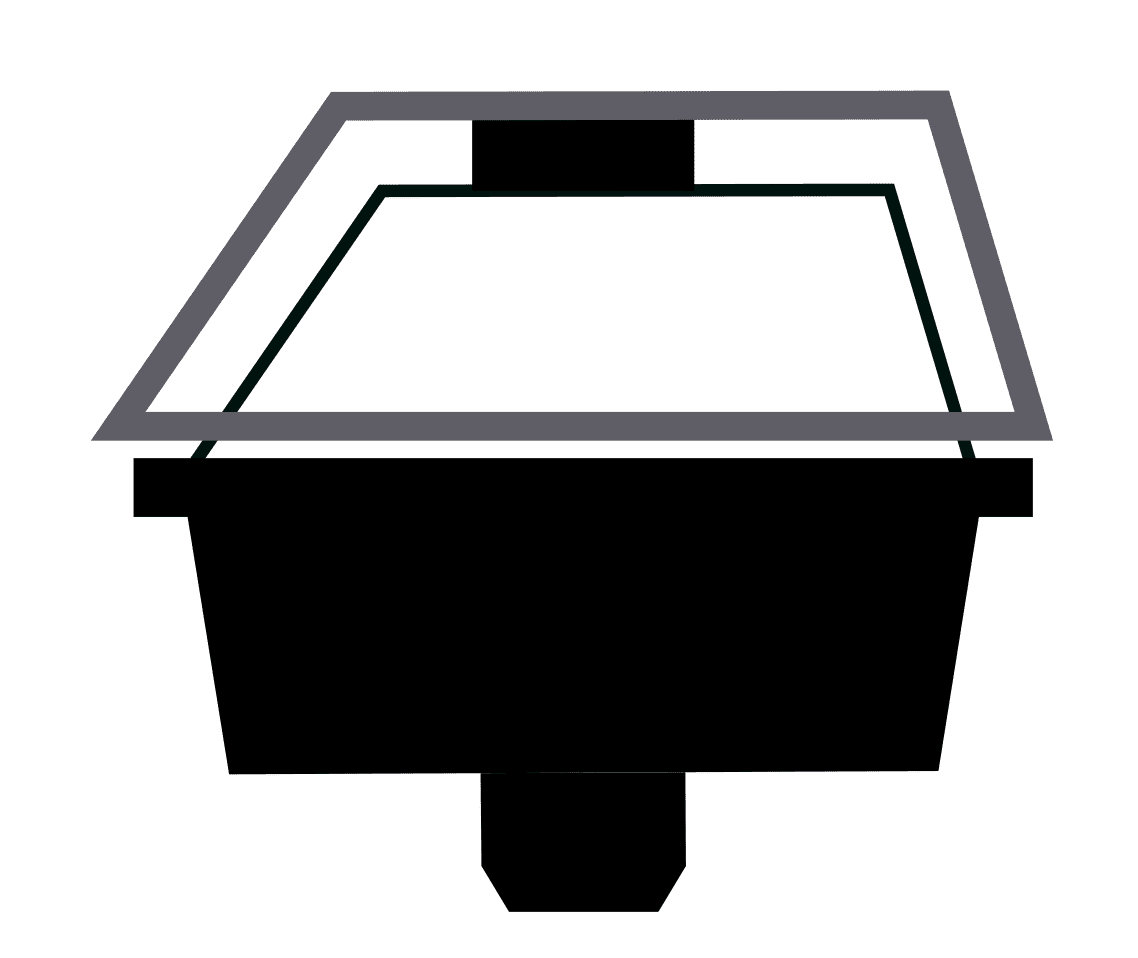
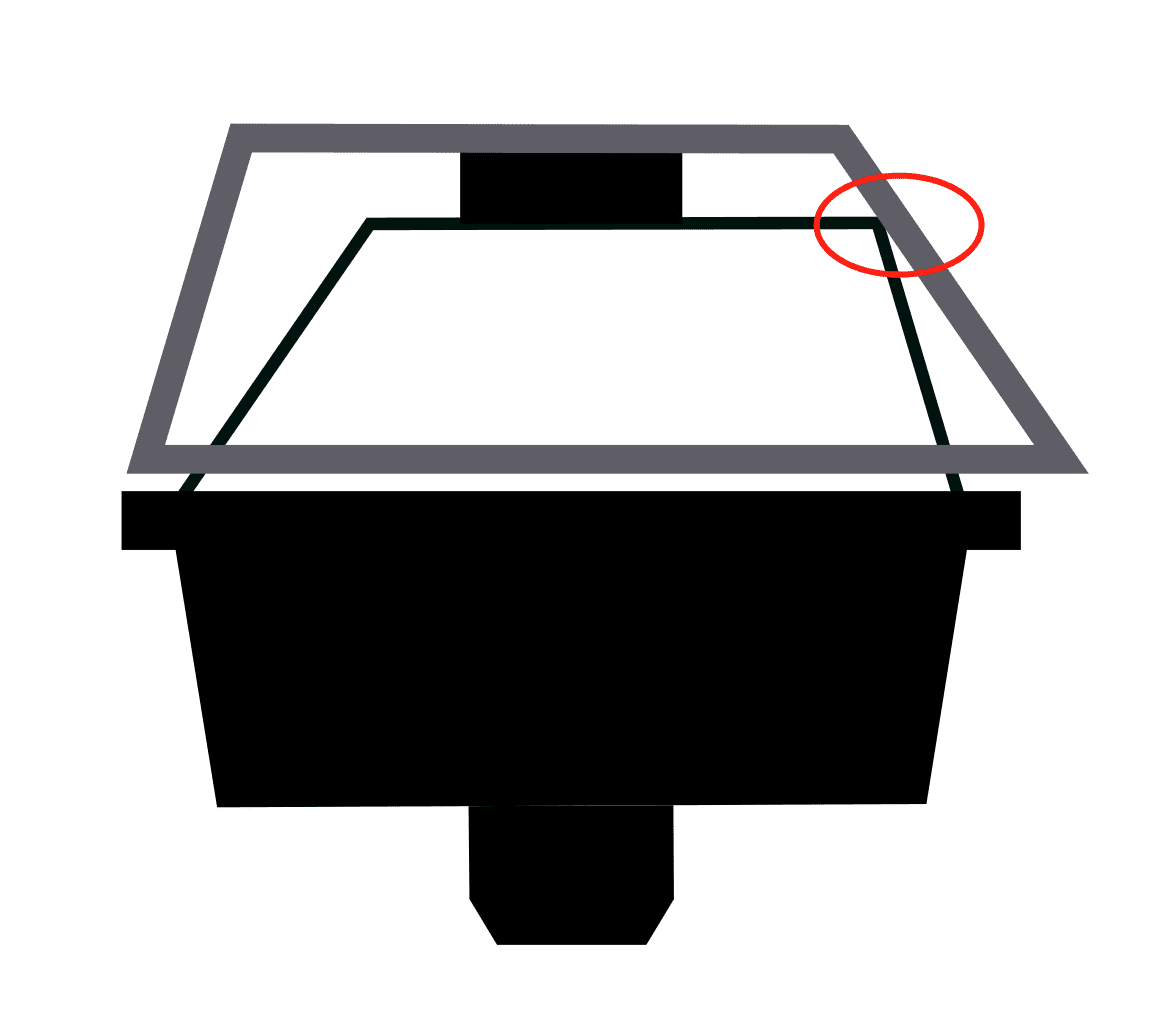
Now that we have a picture of the market, we can look at the issue itself as characterized by many mechanical keyboard enthusiasts. The problem is known as “interference” and it really comes down to a simple issue: when a key switch is oriented to allow LED light to pass through the top side to the switch sometimes key caps will strike the edge of the switch housing. Here is a pair of images I found on the maker diary project's git repository (images by Yihui Xiong) that depict the problem more clearly:
Now, this issue doesn't happen with all switches, or all keycaps. In fact, we can compare the keycap profiles, and see there are two or three of them that may have this issue (image from this Reddit post):
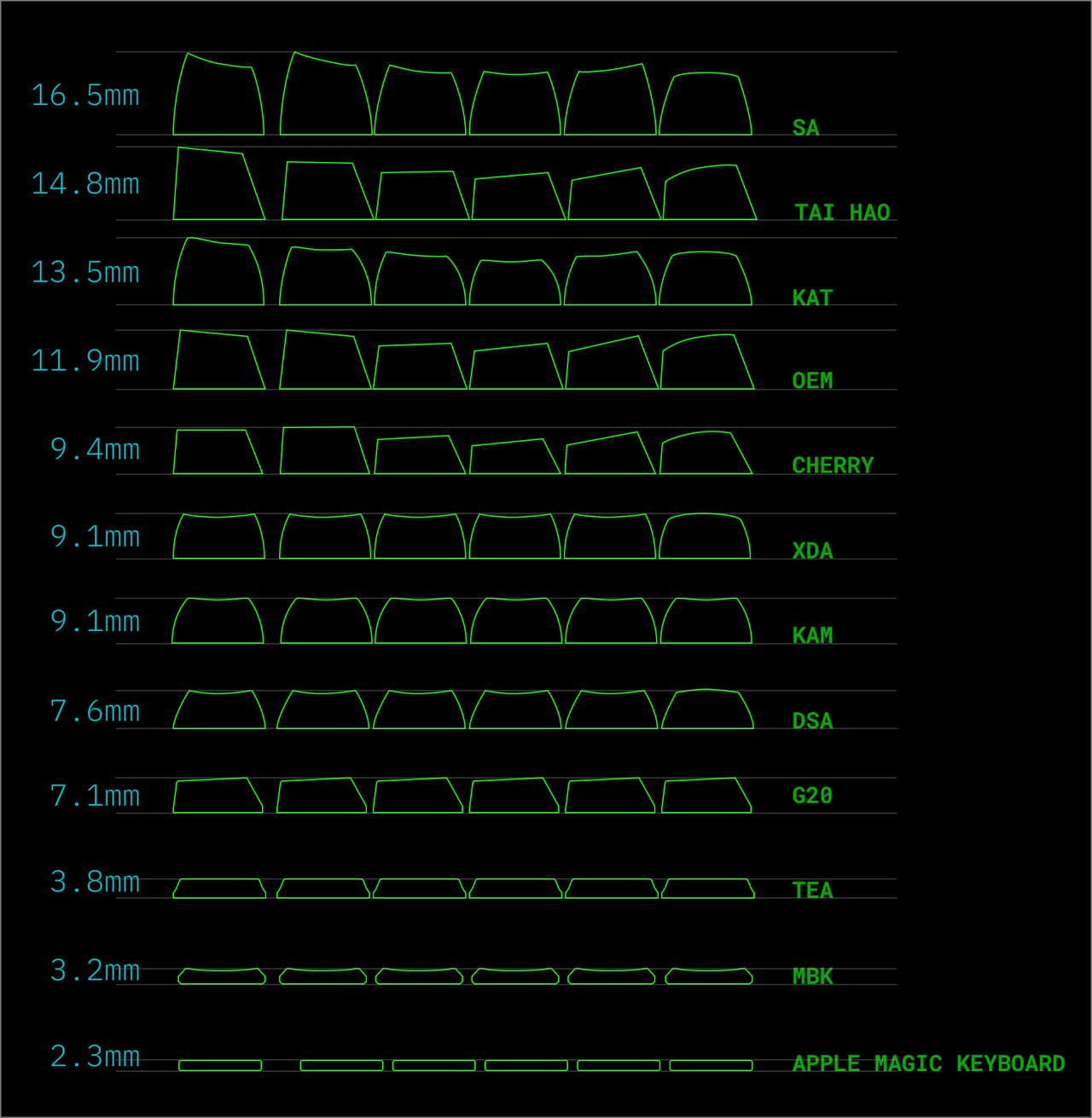
Based on this image, it's generally the OEM and Cherry profile key caps that are likeliest to suffer from the “interference issue” when switches are installed for north oriented LEDs. In a few cases people have mentioned DSA key caps as having the issue as well. However, it doesn't happen with all keycaps, not even all Cherry profile or DSA profile keycaps have this issue. So what is the difference? And how should it be handled?

The issue seems to come down to the thickness of the keycaps. I haven't encountered any OEM, Cherry or DSA profile keycaps with this issue. The thickest OEM / Cherry profile keycaps in my collection are about 1.4mm thick, and as I have tested, I am able to insert a 0.5mm feeler gauge between the switch and keycap, even in the north oriented LED configuration.

So, I think this defines the problem a bit better. It seems to happen mostly with Cherry profile keycaps, sometimes with OEM or DSA profile keycaps, and when the keycaps are more than 1.4mm thick. So what are the solutions:

Solution One: Thinner Keycaps

Yes, this is probably a controversial solution. I realize there is a lot of allegiance to a certain company that produces thick keycaps. And I don't disagree with the better materials and machining that is used in producing their keycaps. (However, pricing and production are another issue that I won't go into here. No need to start a second controversy today...:grin:)

Now you might think that a thinner keycap would make for a different sound. However, I would say that it doesn't really affect the sound when we are talking about a very small change in the thickness. I mentioned above that I was able to get a 0.5mm feeler gauge in the gap with a 1.4mm thick key cap. And, there was no binding – I probably could have gone a bit thicker. So the amount we are talking about here is really, a 1.45mm thick keycap would work with switches in either orientation, without affecting the sound of the keycap.

Solution Two: Switch Housing Changes

This is the one that I think is more doable, and in fact has already started to happen.

The reason for the switch housings having the shape that they have is a leftover from when the LED's had to be installed as part of the housing. While that requirement has gone away, many of the switch manufacturers did the minimum needed to change the shape of their switch housing. This has left a significant protrusion in the top of the housing where there doesn't need to be one now.

Updating the shape of the switch housing to work with north oriented LEDs, and thicker Cherry/OEM profile keycaps is the way to go. Why? the switch manufacturers are in the middle of this situation, and they want to have the greatest compatibility with all configurations of keyboards.

And, we are already seeing this. Several manufacturers are now listing their switches as being compatible with “SMD configuration” keyboards (which is their way of saying the switches word in both orientations). And all it took was rounding off the top corner of the switch housing to allow clearance for all keycaps.

Conclusion

Hopefully this discussion has put the actual issue into a different perspective for people. The fact is, north oriented LEDs are not going away, ever. There's too much investment in RGB in the market for any company to ignore the desirability of north oriented LEDs. Ignoring the demand would be tantamount to committing business suicide.

There are two other solutions: slightly thinner keycaps, and modifying the shape of the switch housing. As things stand, we are starting to see the switch houses change shape a bit to be compatible with the widest array of PCB configurations. Which makes sense as the switch side of the market is possibly one of the most to gain or lose at this point. It's pretty obvious that if the switches aren't designed for the broadest range of applications, then it's likely they will not be used as often (or be able to strike deals with the keyboard manufacturers) which would result in lost market share.

So stop bitchin' about the LED configuration. It isn't a simple issue, and no amount of complaining is going to change it. Instead, focus on things that can actually fix the problem, such as the switch housing design. And, if you really want to focus on something, let's work on getting broad acceptance of QMK / VIA in the general market. That would benefit consumers a lot more.

References

Here's a list of some of the market research / forecast documents I used in researching this article. Not that there appears to be a wide variation between the documents. I attribute the variances to a few factors. First is timing: some of these reports are only produced every few years, so some are from 2018 or 2019, before the pandemic and the rise of work-from-home scenarios. Another factor is that some of them don't cover all the global regions, some focus on Asia Pacific, North America, the EU, or some combination thereof. And finally there are differences in the way each of these companies gather their data to produce the statistics in their reports. And just how they go about gathering this information is often a heavily guarded secret as it forms the basis for competition between these companies.

But, even given the variances, I think there were enough clear things that emerge from these reports that it's worthwhile to pay attention to them. And, I think the inferences that I was able to gather about the market.


Categories: #Opinions, #Editorials Tags: #opinion, #switches, #LED, #keycaps

FediRing
◀️ Prev Home Next ▶️

Enter your email to subscribe to updates.